Addressing garden escape routes
Dog-Proof Garden Fencing in Sudbury
Dog-proof garden fencing in Sudbury addresses escape routes through boundary gaps and unsecured gates. A useful containment plan looks at the whole garden boundary, from ground gaps and climbable objects to the gate and latch.
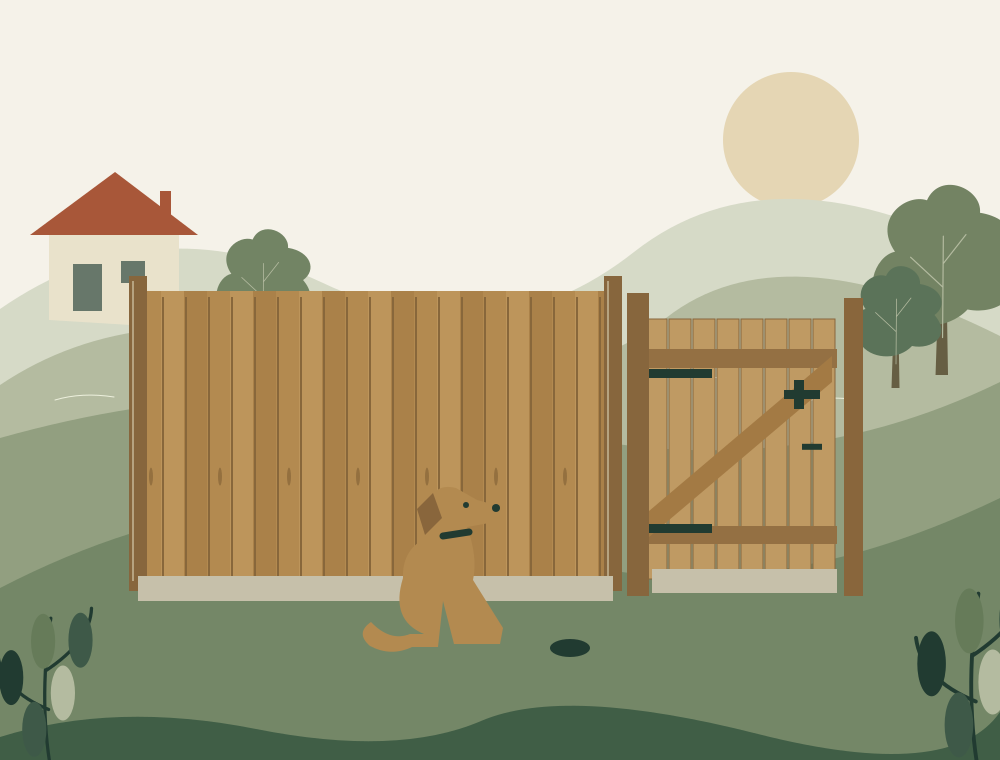
Digging, Climbing, Jumping and Squeezing Through
A dog squeezing through needs attention to openings; digging calls for suitable ground-level detailing; climbing or jumping brings the fence height, surface and nearby launch points into question. A visually solid panel can still leave an escape route beneath a gate or beside a shed. The most useful starting point is the behaviour you have observed and the complete route out, rather than the dog's size alone.
Fence Gaps, Gates and Climbing Routes
Follow the entire perimeter, including gate openings and corners. A sound panel can still sit beside a gap, and a nearby bin or structure can create a climbing route. Inspect from a safe position and note the weak points without relying on the fence alone for supervision.
Match Fence Changes to Your Dog’s Behaviour
Small openings can be addressed with compatible infill and gate detailing, while ground gaps need a solution that also respects drainage and the fence structure. Moving bins or furniture away from the boundary can remove a climbing aid. A higher panel alone may not solve digging or climbing. Any proposed changes should be assessed for the individual dog, with supervision maintained rather than assuming a design guarantees containment.
Sloping Ground and Damaged Panels
Sloping ground can create gaps beneath stepped fencing, while damaged panels introduce new escape points. Those conditions may need targeted repairs or a revised layout. Gate clearances and latches should be considered at the same time as the fixed boundary.
Prepare Your Dog-Fencing Enquiry
Send photos of the identified escape routes and describe your dog's size and habits. If more than one dog uses the garden, include them all. This helps frame a practical proposal around the whole enclosure rather than one apparently weak section.
Useful to know
Dog-Proof Garden Fencing FAQs
Can gaps under an existing fence be closed?
Often, but the closure must suit the ground and the dog. Include gaps beneath gates, not just panels, when agreeing the work.
What if my dog climbs rather than jumps?
Extra height alone may not help. Identify footholds, nearby bins and the route the dog uses; keep the dog supervised until the revised enclosure has been assessed.
Should gate latches be included in the assessment?
Yes. Include latch reliability, access from each side and gaps around the leaf. A gate that does not close properly leaves the enclosure incomplete.
Related services
Related Fencing Services
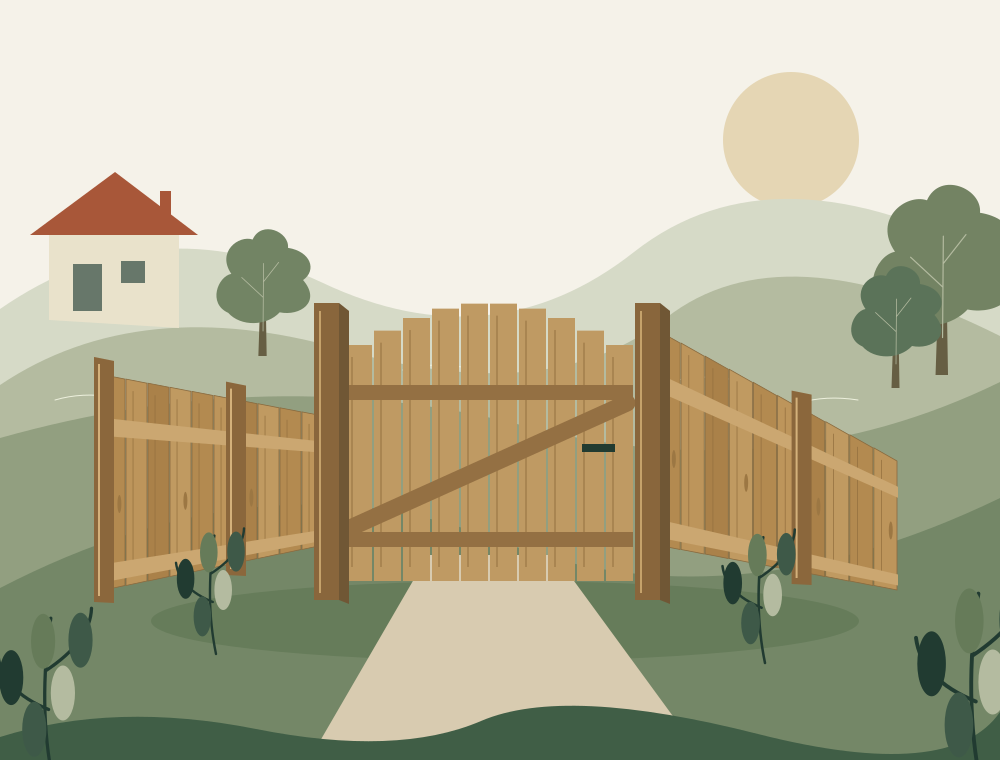
Garden Gates
Garden gates in Sudbury for practical everyday access and a coordinated garden boundary.
View garden gates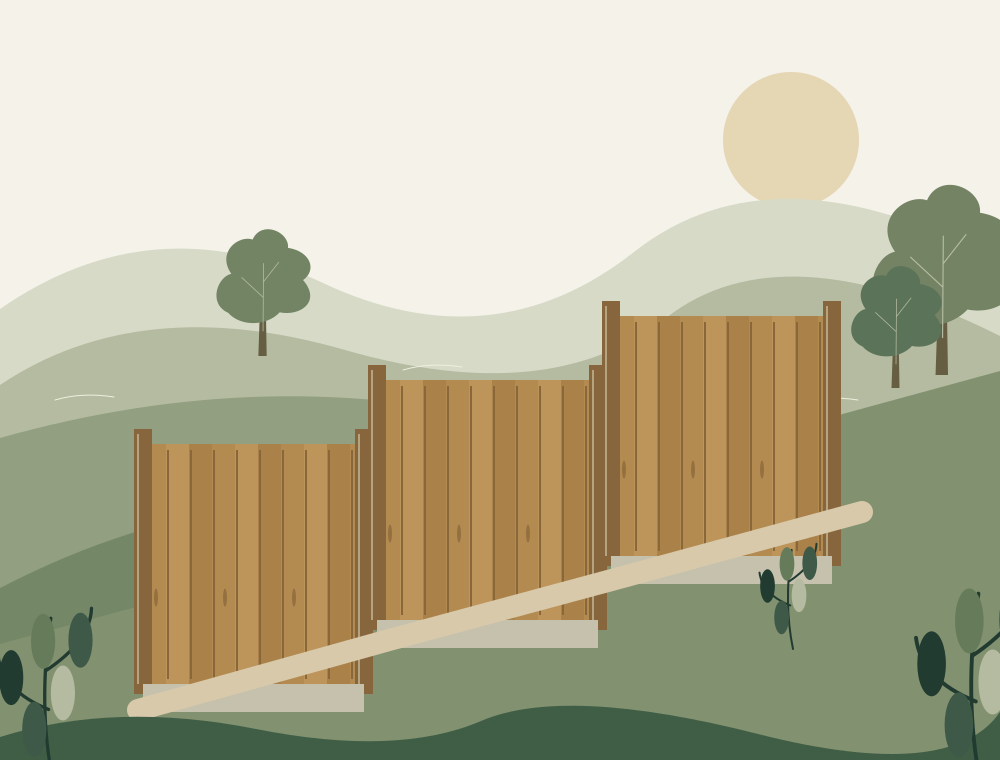
Fencing on Sloping Ground
Fencing for sloping gardens in Sudbury, with stepped or raked layouts to accommodate changing ground levels.
View fencing on sloping ground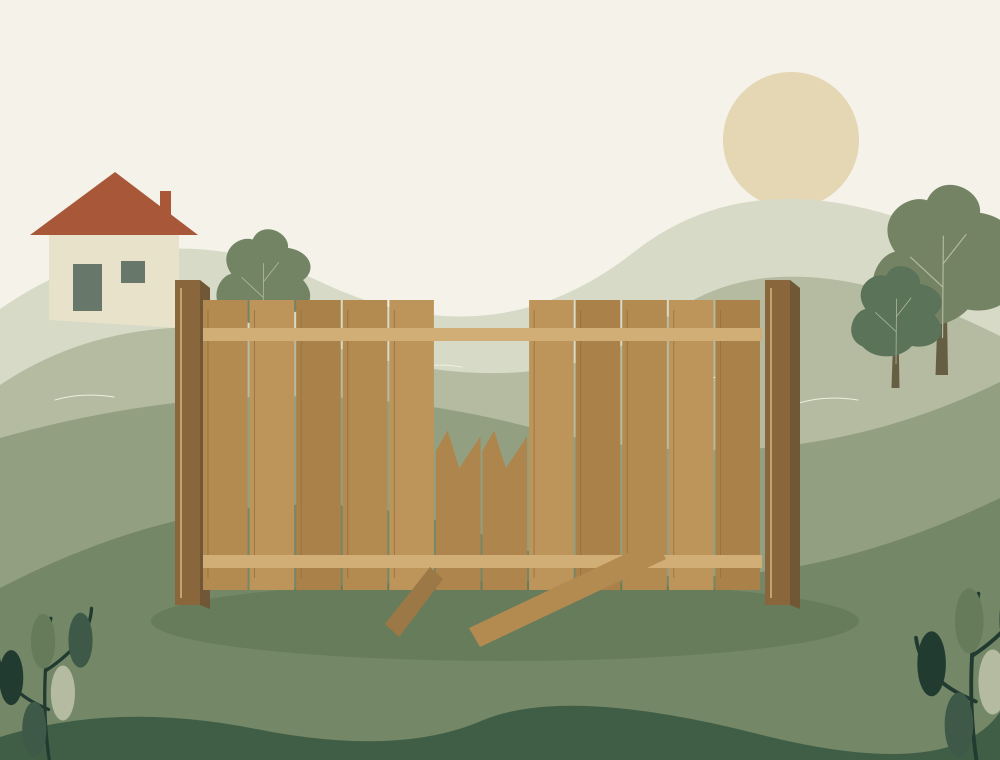
Fence Panel Repairs
Fence panel repairs in Sudbury can address damaged boards or individual bays where the remaining structure is suitable.
View fence panel repairs