Slopes, exposure and pet containment
Fencing for Difficult Garden Boundaries in Sudbury
Fencing for difficult garden boundaries in Sudbury, including slopes, wind exposure and pet containment.
Services for your boundary
Practical Garden Boundaries Options
Fencing on Sloping Ground, Fencing for Exposed Gardens and Dog-Proof Garden Fencing.
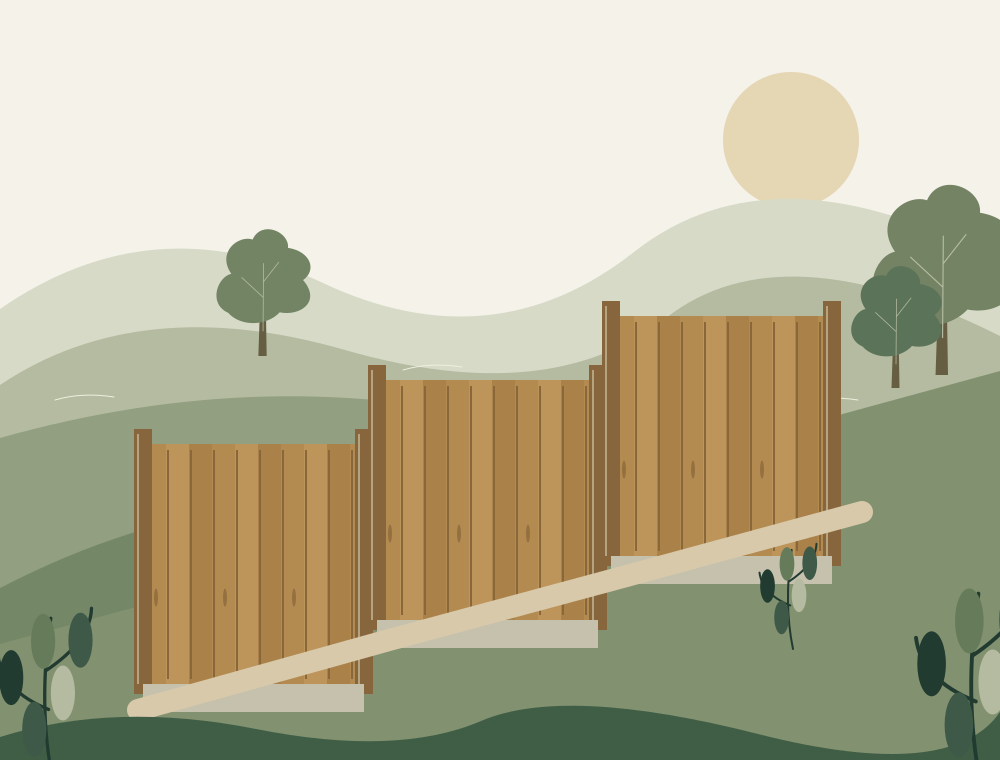
Fencing on Sloping Ground
Fencing for sloping gardens in Sudbury, with stepped or raked layouts to accommodate changing ground levels.
View fencing on sloping ground
Fencing for Exposed Gardens
Fencing for exposed gardens in Sudbury, with screening and supports suited to windy boundaries.
View fencing for exposed gardens
Dog-Proof Garden Fencing
Dog-proof garden fencing in Sudbury addresses escape routes through boundary gaps and unsecured gates.
View dog-proof garden fencingSlopes, Wind Exposure and Escape Routes
Sloping ground can leave gaps beneath level panels, exposed boundaries place greater demands on supports, and dogs may exploit openings that otherwise seem minor. These problems call for different changes: a revised ground profile, a suitable fence and support design, or attention to the whole enclosure. Where several apply, the layout needs to address them together rather than solving one problem and creating another.
Fencing Options for Difficult Gardens
On a slope, stepped panels or a construction that follows the ground can accommodate changing levels. On exposed boundaries, the infill, posts, fixings and foundations need to be considered together. For dogs, the useful changes depend on digging, squeezing, climbing or jumping behaviour and include gates as well as panels. The linked guides explain each situation before you settle on a material or decorative style.
Balancing Practical Needs with Appearance
Practical and visual choices need to work together. A pet enclosure can still suit the garden, and an exposed boundary may still need privacy. Explain the priorities in order so any proposal can show where the choices support each other or need a compromise.
Ground Levels, Access and Existing Structures
Changes in ground level can affect the fence height seen from each side and the gaps beneath it. Narrow access, nearby sheds and planting can restrict installation space. A fence pressed against by stored materials or retained soil has a different problem from ordinary panel damage. Fencing alone should not be treated as a retaining structure; that ground-support requirement needs its own assessment.
Prepare Your Garden Boundary Enquiry
You do not need to diagnose the cause yourself. Describe what happens, where it happens and what has already been tried. That gives the assessment a practical starting point and helps avoid repeating a solution that did not suit the site.
Useful to know
Practical Garden Boundaries FAQs
What if my garden is both sloping and exposed?
Plan for both together. A stepped layout can introduce ground gaps, while increased screening changes the demands on supports; assess the complete arrangement before choosing panels.
Can existing posts limit the available solution?
Yes. Their condition, position and compatibility may affect what can be fitted. A new design should not be forced onto unsuitable supports.
Should I send photographs of earlier fence failures?
Yes. Date the photographs if possible and identify previous repairs. Images taken before damaged sections were removed may reveal connections that are no longer visible.
Related services
Related Fencing Services
Garden Fencing
Garden fencing in Sudbury for privacy, decorative boundaries and practical outdoor spaces.
View garden fencing
Privacy Fencing
Privacy fencing in Sudbury for overlooked gardens, patios and seating areas.
View privacy fencing
Decorative Fencing
Decorative fencing in Sudbury for frontages, garden divisions and planted boundaries.
View decorative fencing